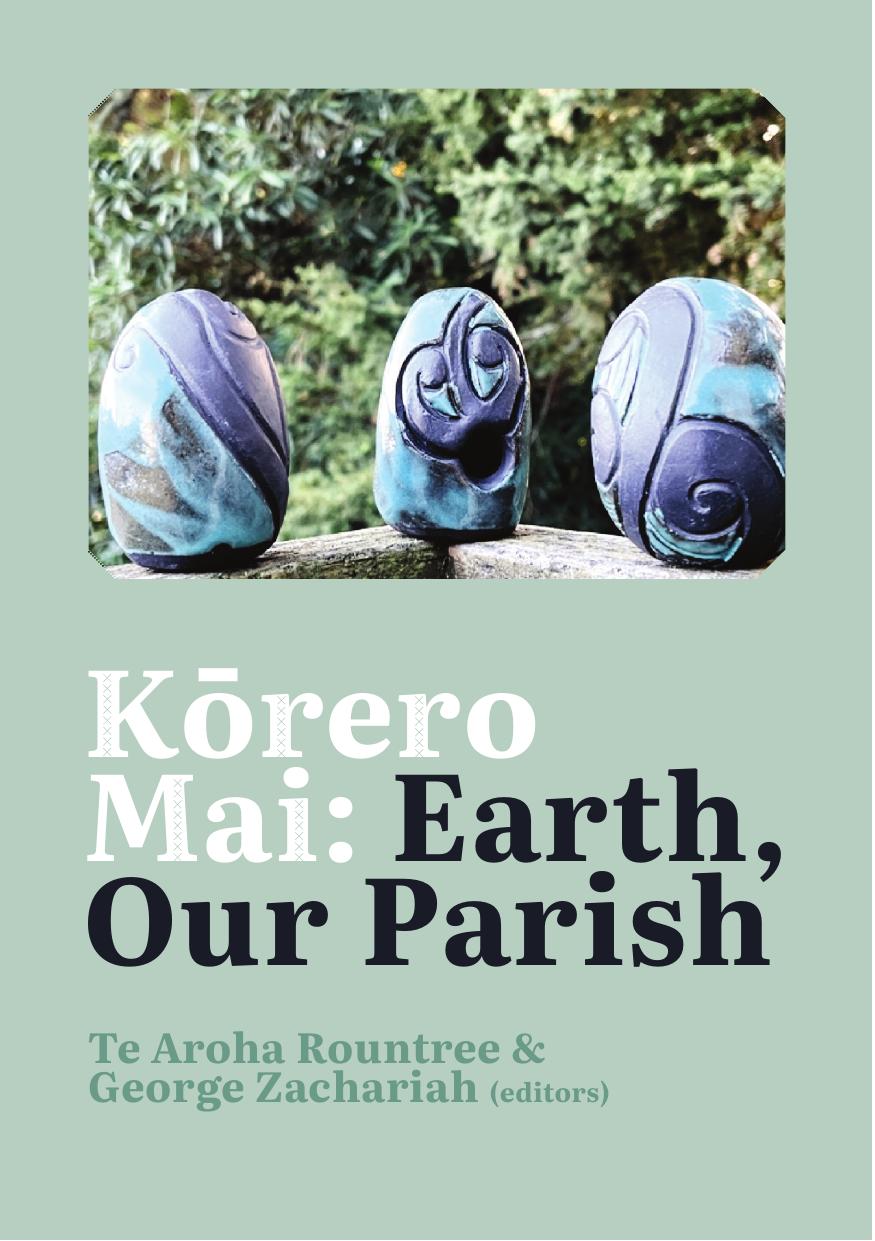
Kōrero Mai: Earth, Our Parish
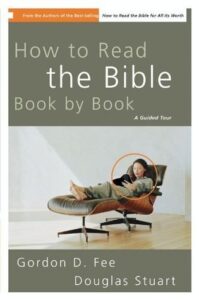
A Guided Tour from Genesis through Revelation Reading the Bible need not be a haphazard journey through strange and bewildering territory. Like an experienced tour guide, How to Read the Bible Book by Book takes you by the hand and walks you through the Scriptures. For each book of the Bible, the authors start with a quick snapshot, then expand the view to help you better understand its key elements and how it fits into the grand narrative of the Bible. Written by two top evangelical scholars, this survey is designed to get you actually reading the Bible knowledgeably and understanding it accurately. In an engaging, conversational style, Gordon Fee and Douglas Stuart take you through a given book of the Bible using their unique, progressive • Orienting Data—Concise info bytes that form a thumbnail of the book • Overview—A brief panorama that introduces key concepts and themes and important landmarks in the book • Specific Advice for Reading—Pointers for accurately understanding the details and message of the book in context with the circumstances surrounding its writing • A Walk Through—The actual section-by-section tour that helps you see both the larger landscape of the book and how its various parts work together to form the whole. Here you are taken by the hand and told, “Look at this!” How to Read the Bible Book by Book can be used as a companion to How to Read the Bible for All Its Worth. It also stands on its own as a reliable guide to reading and understanding the Bible for yourself.
The main idea of this book originated from pastoral concerns about church leaders in New Zealand, who were struggling with leadership challenges in parish ministry.
They are defined as “transcultural leaders” who speak English as a second language and minister to the parishioners of European descent. Being mindful of the challenges which include language barriers, cultural differences, theological diversity, and colonial mentality, the book introduces a model of leadership that was developed through literary review on multi-cultural leadership as well as leadership in general, biblical exegesis and examination, and a case study. Emphasising a lifelong leadership development, this book attempts to help transcultural leaders enhance leadership competences and bring out the best in themselves.
Chapter One explores the ministry context of a suburban parish—Crossway Community Church—in Christchurch, New Zealand, where transcultural leadership has been exercised for the last sixteen years. A brief history of two congregations—Presbyterian and Methodist—is introduced, and the specific circumstances caused by the Christchurch Earthquakes 2011 are described, under which the parish practiced its collaborative leadership in response to a natural disaster. The description includes the post-earthquake ministry, strategic planning, a public-private partnership project with the Christchurch City Council, and a multilateral partnership project. The chapter closes with the story of youth worker appointment.
Chapter Two begins with exploring the contemporary culture that has a strong influence on the lives of people. A better understanding of the current culture is critical for church leadership in that it has formed the cultural context of parish ministry. Being aware of the external context that surrounds the church and of the challenges that church leaders of color are facing, the chapter explores transcultural leadership, which includes its definition and characteristics, and clarifies the target context that this project aims at in the development of a model of transcultural leadership. The chapter also points out the challenges and potentials that contemporary culture brings.
Chapter Three attempts to identify biblical principles for leadership in general, and for transcultural leadership specifically, as well. The parable of “The Prodigal Son” in Luke 15 is studied in search of a new leadership paradigm for church leadership in the contemporary ministry context. It also explores the stories of six leaders in Scripture who exercised transcultural leadership—Joseph, Moses, Daniel, Esther, Mordecai, and Paul—in the hope to identify leadership principles for the contemporary church leaders who are, or will be, engaged in the transcultural ministry.
Chapter Four establishes a model of transcultural leadership by introducing a Transcultural Leadership Window that comprises a rectangular pane and the four frames that illustrate five transcultural leadership components. As part of the development, a new leadership paradigm is introduced, which is undergirded by two biblical leadership principles—sharing compassion and valuing spontaneity—that were identified in the previous chapter. The chapter also expounds colonial mentality, which is believed to be the greatest obstacle for transcultural leaders. Finally, the chapter presents the implications for the ministry challenges in the life of the Methodist Church of New Zealand.
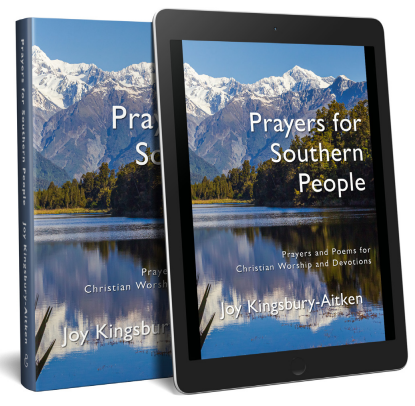
About the Book
Lay preachers, clergy and worship leaders, are you looking for new prayers and liturgy to refresh your worship and engage your congregations?
Do you want worship-tested liturgy that honours southern hemisphere seasons?
Does your congregation enjoy responsive prayers?
Then this extensive collection of new material by a longstanding New Zealand Lay Preacher is just what you need. Many types of liturgy are included:
- Opening / Gathering
- Candle lighting
- Praise / Thanksgiving
- Intercession
- Confession
- Illumination
- Offering dedication
- Blessing
- Commissioning
- Meditation
The 326 entries are divided into three parts:
- The Liturgical Year
- The Season of Creation
- Social Themes
To help you easily find the best liturgy for your next service, the book includes a comprehensive Table of Contents and a full Scripture Index.
A weekly blog of Creative Ideas for Leading Worship
• • •
About the Blog
For me, creativity is the key to leading satisfying, effective services.
I’m a Methodist Lay Preacher. Our denomination does not have a set liturgy that worship leaders must follow for ordinary services, so I have a lot of freedom to design the content of services I lead.
Other churches will have approved liturgy from which worship leaders make selections.
Even if the rest of the service follows a standard format, the Children’s Talk / Story time, our Sermon / Reflection / Homily and our choice of hymns, songs and music offer worship leaders opportunities to be creative and try something new.
Each week in Worship Outside the Box I will share a creative idea for a worship activity or ideas about worship and preaching.
I’ll include links to free online resources and, where appropriate, recommend related books and digital titles that you can order from us.
Nga mihi
Philip
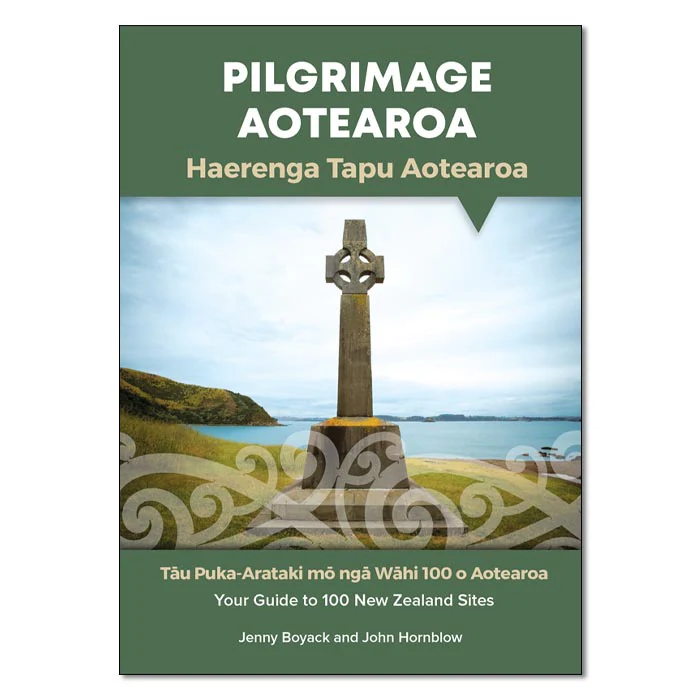
Pilgrimage Aotearoa | Haerenga Tapu Aotearoa offers readers a guide to 100 unique sites in New Zealand, blending history, culture, and spirituality.
It invites you on a journey of reflection and discovery, uncovering the rich stories that make these places significant to the nation’s identity and soul.
This book:
- Will help you discover 100 meaningful sites across New Zealand, each with spiritual, cultural, or historical significance.
- Offers deeper insight into Aotearoa’s heritage and landscape through reflective travel.
- Is perfect for both solo and group pilgrimages, offering guidance for various journeys.
- Encourages personal growth and spiritual connection through reflection.
- Provides practical tips for planning a pilgrimage, including routes and hidden gems.
- Connects readers with stories that enrich their understanding of the land and people.
- Is ideal for travellers looking to experience New Zealand beyond the usual tourist spots.
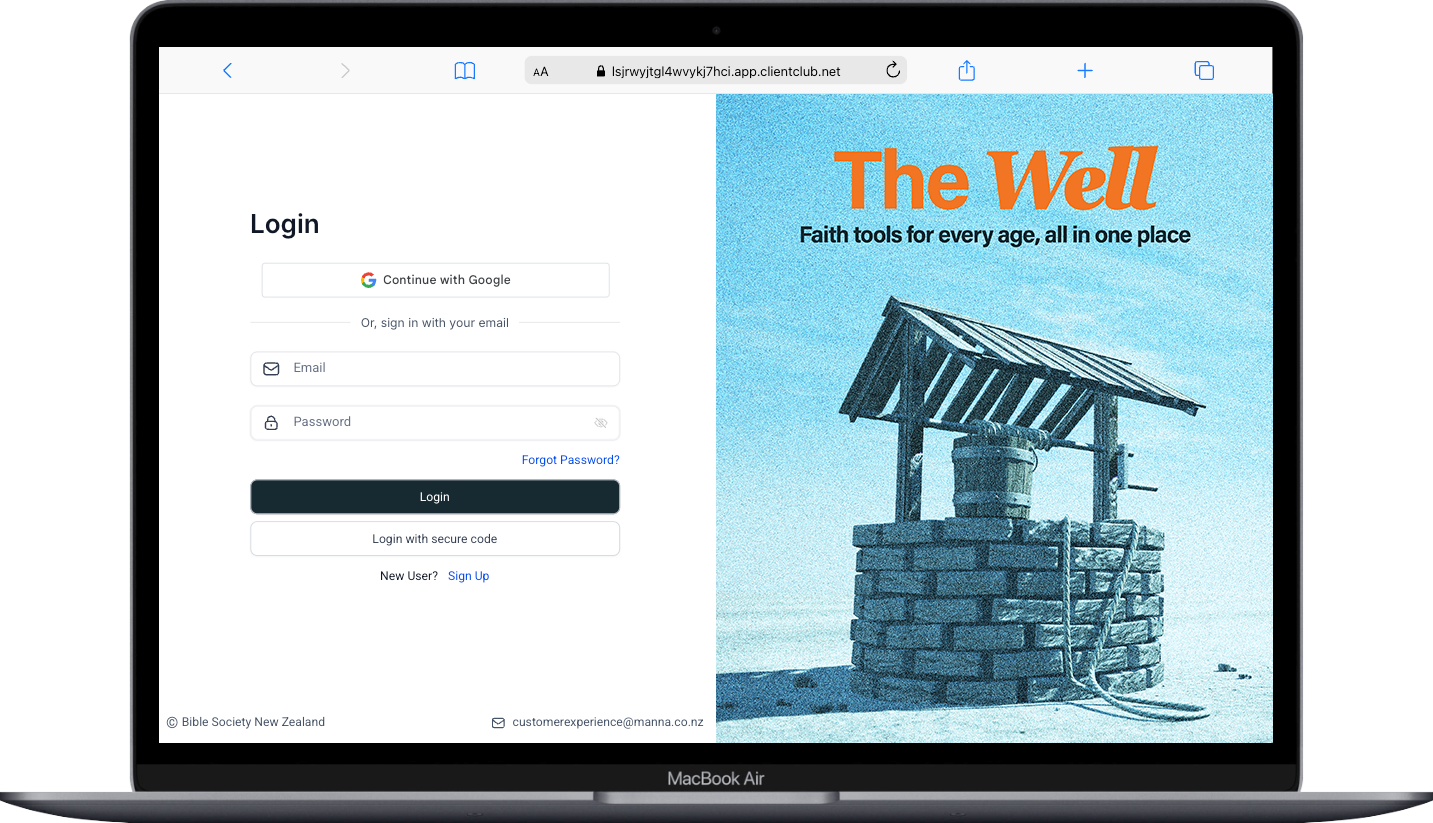
The Well is a free, curated online library launched in July 2025 by Bible Society New Zealand, designed to support churches, educators, lay leaders, and ministry volunteers across Aotearoa Facebook+9United Bible Societies+9YouTube+9. It offers:
Bible Study guides for adults, youth, and children
Daily Scripture reading plans to nurture ongoing engagement
A "Little Believers" resources kit for early childhood faith formation
A Bible Quiz Pack for group engagement and community-building
A “Choosing the Right Bible” guide to help users select a suitable Bible version
Audio Bibles, including a Māori edition with English translations forthcoming
The platform is shaped as a ministry partnership tool — consolidating previously dispersed resources into one accessible hub. Its goal is to simplify access to Bible-based tools, encourage biblical literacy, and deepen faith engagement across diverse expressions of church, family, and community life in New Zealand.

Delve into the rich and often overlooked history of Methodism in Aotearoa New Zealand with this compelling collection of essays marking 200 years since Methodist missionaries first arrived. Edited by renowned historian Peter Lineham, this book reframes the narrative of the Wesleyan mission to the Māori people, highlighting their agency, culture, and the complex interactions between Māori society and Christian faith.
Contributors including Roshan Allpress, Glen O’Brien, and Susan Thompson explore the diverse voices within this history, from early Māori supporters to the pivotal roles of missionary women. The essays challenge dominant narratives, addressing the intricacies of Māori engagement with the mission and shedding light on indigenous perspectives that have often been sidelined.
Essential reading for scholars, students, and anyone interested in the intersections of faith, culture, and history, Weteriana Methodism invites readers to reconsider the legacy of Christian missions in Aotearoa and the ongoing journey of Māori Methodism in the 21st century.

BibleProject (formerly The Bible Project) is a non‑profit, crowdfunded ministry founded in 2014 by Tim Mackie and Jon Collins. It creates free, multimedia educational resources for exploring the Bible as a unified story that leads to Jesus.
Key highlights:
Animated videos unpack each book of the Bible, key themes, literary design, and theological narrative .
Podcasts, study guides, online classes, and a mobile app extend learning beyond the videos .
Videos and resources are available in multiple languages, making it accessible globally .
As of early 2024, BibleProject had produced 180+ videos, 350 podcasts, and received over 620 million views across 200 countries. The content is tailored for individuals, church groups, and educators in both devotional and teaching contexts.
Moving On: Grief in Ministry Transitions is an essential resource for ministers and church leaders grappling with the complexities of ministry endings.
This comprehensive volume offers both practical advice and personal stories from nearly 40 contributors, addressing the unique blend of grief and hope that accompanies significant transitions in church life.
Every ending brings a need to rework and re-story relationships, transforming what was into memory. This book guides readers through this process with honesty, providing tools to navigate the emotional landscape of grief while fostering renewal and joy.
Contributors share their experiences, from the pain of leaving a conflicted ministry to the healing found in community and prayer.
Each section delves into themes of grieving endings, complicated grief, and recovery, featuring prayers and liturgies that help facilitate personal and congregational healing.
With a blend of cultural insights and practical resources, Moving On is designed to support not only the individual minister but also the wider church community as they journey through transitions with grace and dignity.

YouVersion—also known as The Bible App or Bible.com—is a free global Bible platform developed by Life.Church, launched in 2007–2008. It empowers users worldwide to engage with Scripture in over 3,000 Bible versions and more than 2,000 languages, including extensive audio and offline access.
Key features include:
Bible reading, listening, and daily devotional plans (Bible Plans) tailored for individuals and groups, many developed in partnership with ministries like BibleProject.
Tools for personal engagement: highlights, bookmarks, public/private notes, verse‑image creation (shareable Bible art), tracking of reading habits, and shared reading with friends.
Massive global reach: hundreds of millions of installs (on track to hit one billion devices in 2025), billions of highlighted verses and shared plans, and active community interaction.
YouVersion’s mission is to make God’s Word accessible and life-shaping for everyone, everywhere—and it’s increasingly shaped by partnerships, translation initiatives, and user-driven devotional content.
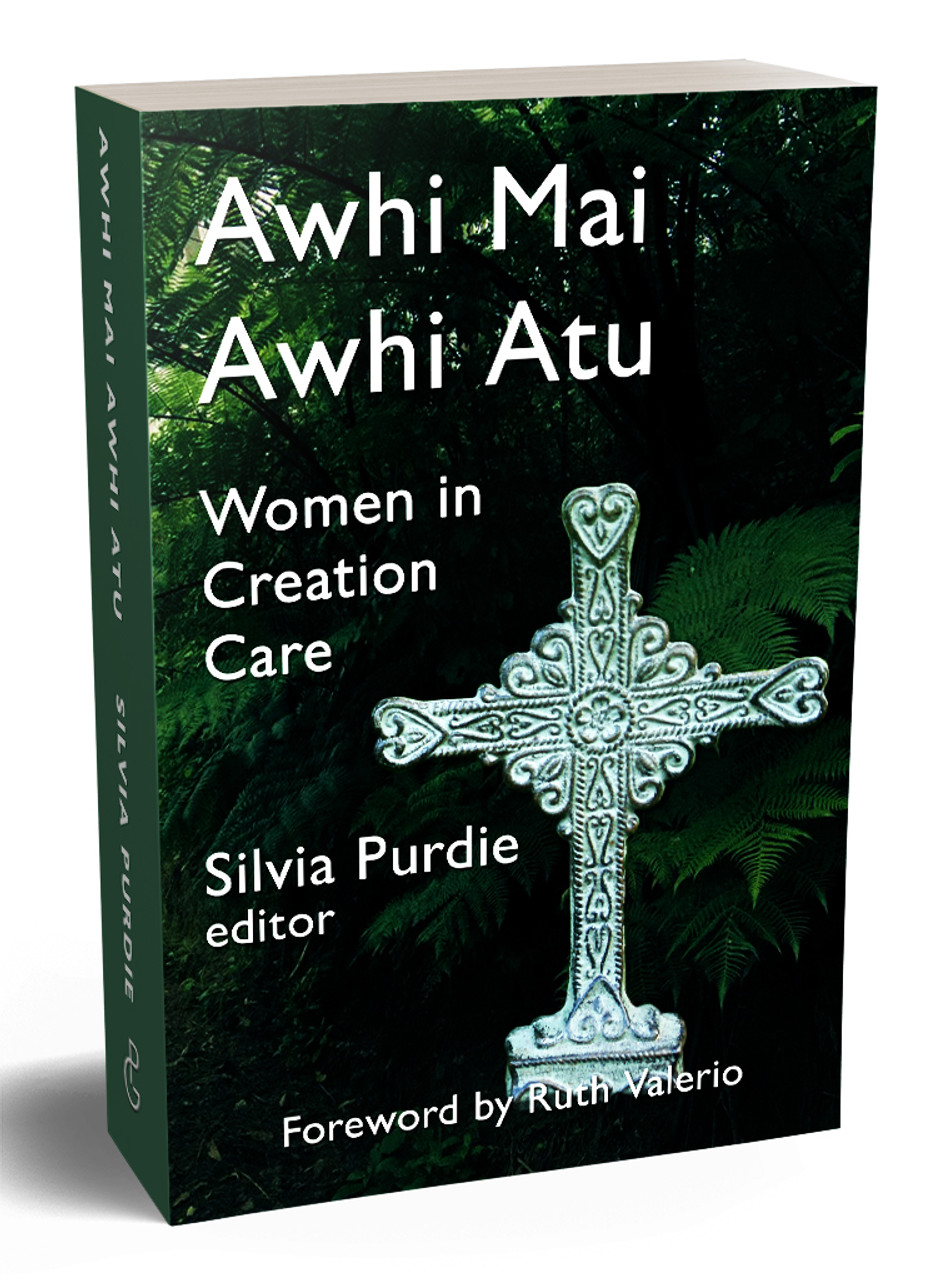
Discover the transformative stories of 30 inspiring women in Aotearoa New Zealand as they lead the charge in environmental action and ecological mission, offering practical tools and heartfelt reflections for communities seeking to care for God’s creation.
Read this book to:
- Gain actionable insights to engage your community in environmental care.
- Learn from the experiences of women from various cultures leading the way in creation care.
- Access 81 action points to implement within your church or community group.
- Explore the connection between faith and ecological mission.
- Read vibrant stories that ignite hope and creativity in the face of environmental challenges.
- Foster a deeper relationship with God’s creation and your community.
- Use the wealth of prayer and poetry to deepen your spiritual engagement with nature.
Features
- Stories and insights from 30 diverse women in Aotearoa New Zealand.
- A comprehensive exploration of creation care and ecological mission.
- 81 practical action steps your church can take to actively engage in environmental stewardship.
- Prayers and poetry connects readers’ hearts to the themes of creation care.
- Encourages group study and discussion.

John's Gospel presents a compelling eyewitness account of Jesus' mission. It is written in simple language but consists of a rich profusion of ideas and themes that challenge the most learned scholars and can overwhelm the understanding of ordinary readers. Surprisingly, part of this complexity arises from the observation that the text appears to be rich in chiastic structures. This literary form is a Jewish style of writing, in which a series of ideas or themes is developed and then repeated in reverse order. (This pattern may be represented as, for example, A-B-C-D-D′-C′-B′-A′.) When the reader takes cognizance of this literary convention, the multiplicity of ideas falls into a more tractable pattern. This book is written by a layman for other ordinary readers in the hope that it will facilitate understanding of this Gospel in church and home study groups, Bible classes and schools, and family and personal devotions.
We have 1 copy of this book (paperback) available to a member who commits to read it and write a review for it.
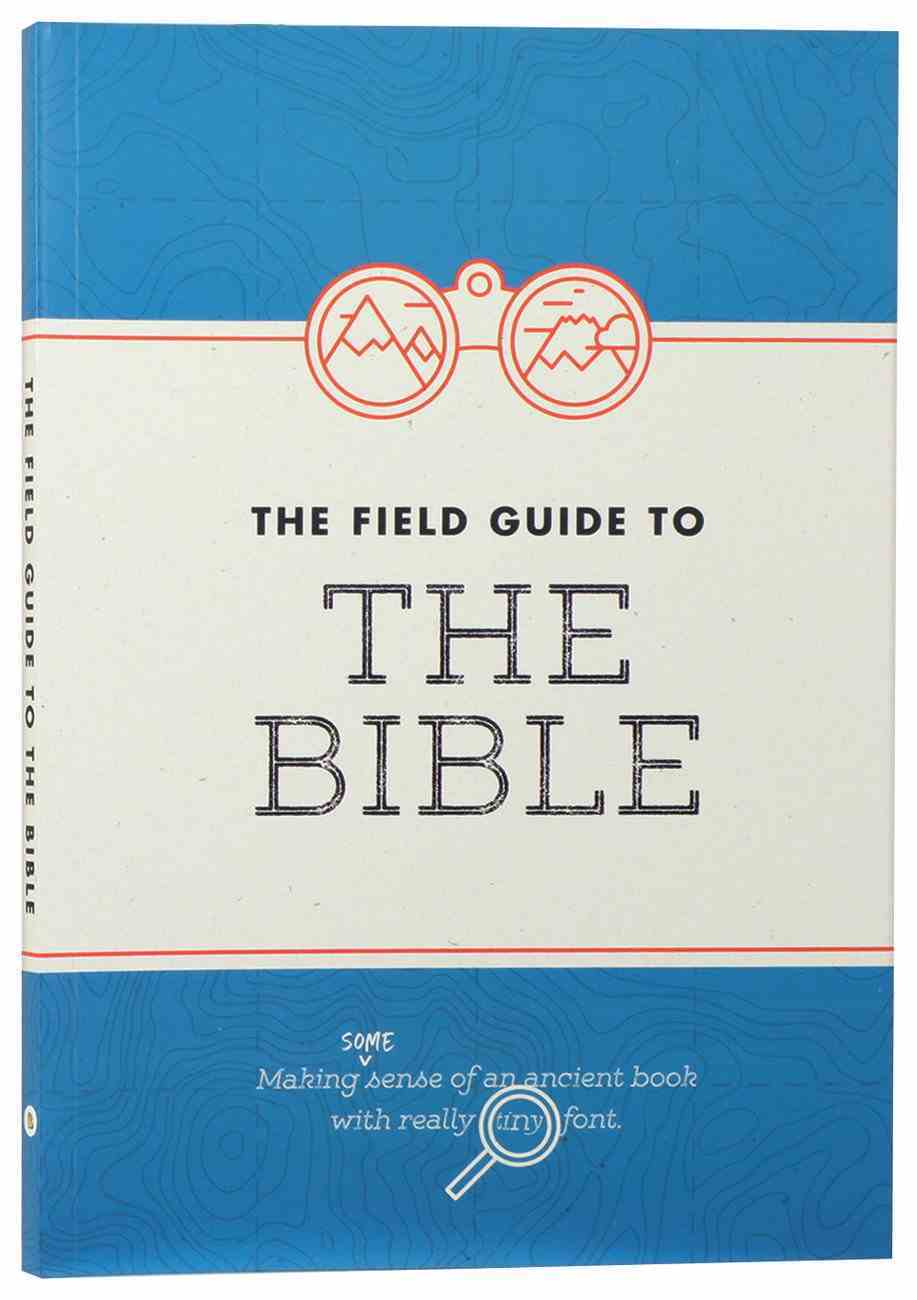
For many young Christians and people new to the Bible, not knowing where to start reading is a key barrier to the Bible playing an important role in their faith. This along with confusion about how the Bible fits together as a whole and how it connects with real life has led Bible Society to develop a unique brand new product: The Field Guide to the Bible.
At more than 100 pages, and including lots of Bible reading helps, fun tips and illustrations, The Field Guide to the Bible is especially designed to equip young people with ways to connect with God through the Bible. It also features a timeline and narrative of key events in the Bible as well as practical, brief, introductions to each book of the Bible.
Jeremy Woods, Youth and Young Adult Specialist at BSNZ says it’s a unique product as so many existing Bible commentaries and study guides are aimed at an adult audience and are quite complex, especially for young people new to the Bible and the Christian faith.
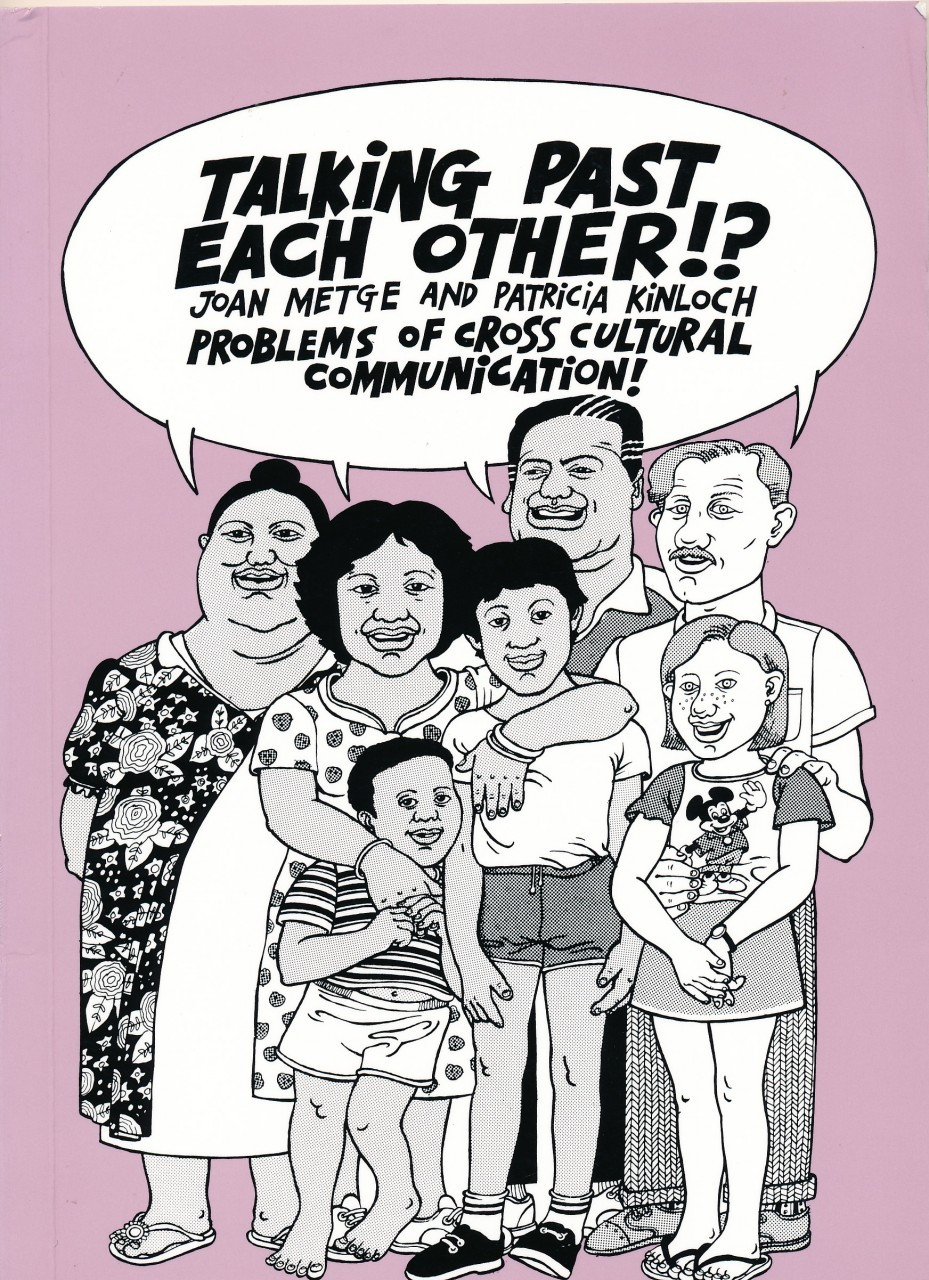
Where numbers of different cultural groups come together, misunderstandings and tensions can arise, even where there is the greatest goodwill on both sides. In this book the authors set out to explore the situations and contexts in which cross cultural misunderstandings can occur.
Talking Past Each Other was first published in 1978 and has since been read widely and reprinted regularly.
Dame Joan Metge taught in the Anthropology Department of Victoria University of Wellington from 1965 until her retirement in 1987. Her other books include In and Out of Touch: Whakamaa in Cross Cultural Context (1986) and New Growth from Old: The Whanau in the Modern World (1995).
Patricia Laing (Kinloch) taught in the Department of Sociology and Social Work at Victoria University of Wellington. She is the author of Talking Health but Doing Sickness: Studies in Samoan Health (1985).
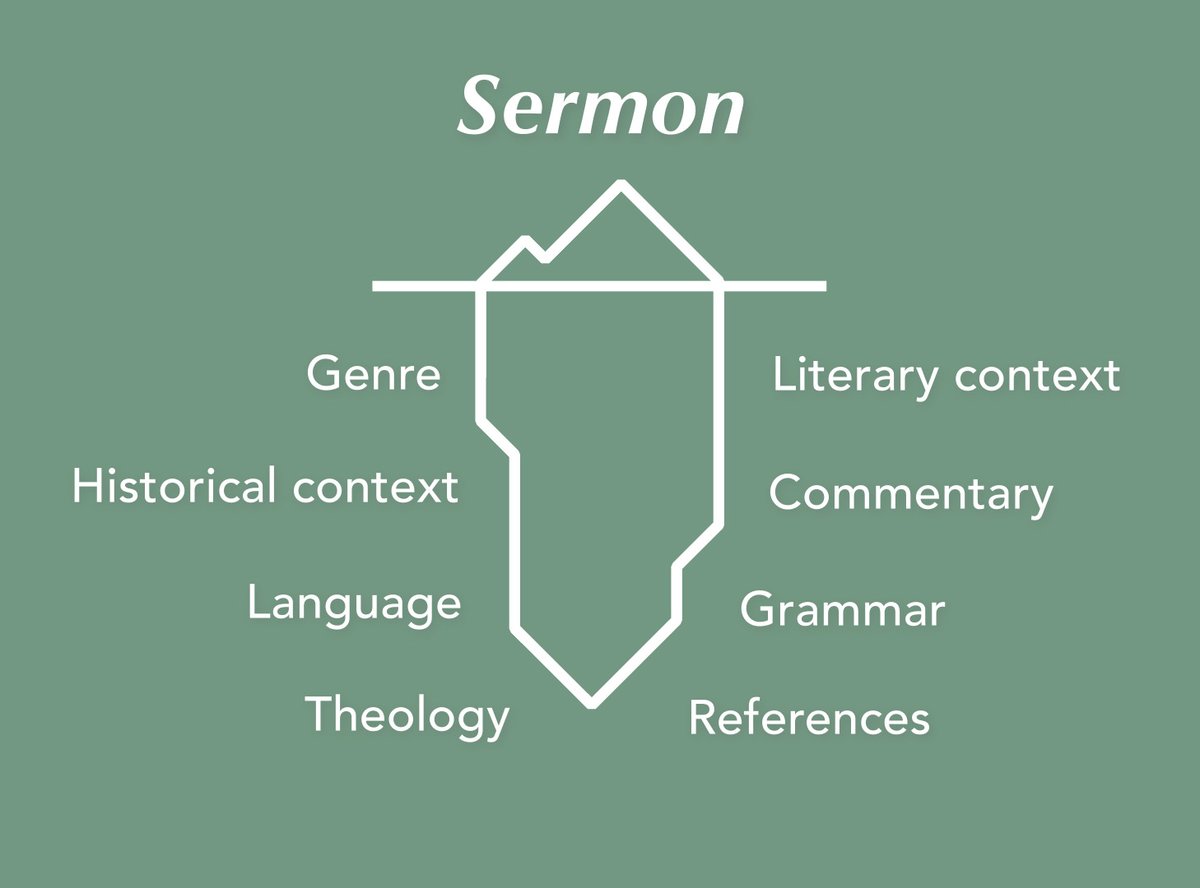
An introduction to preaching
Learn the fundamentals of preaching from Reuben Munn, senior pastor at Shore Community Church and adjunct lecturer at Laidlaw College. Reuben brings experience with both preaching and teaching as he outlines key essentials on delivering sermons in a clear and engaging way. Whether you're looking into preaching in the future or are already familiar with the pulpit, this class is a wealth of wisdom and practical tips.1Why Preach?
Why Preach?
Course Resources
- 2
What is Effective Preaching?
- 3
Types of Preaching
- 4
Preaching and the Big Story of Scripture
- 5
Exegesis for Preaching
- 6
The Big Idea
- 7
Structure and Outline
- 8
Application
- 9
Illustrations
- 10
Writing the Sermon
- 11
Delivering the Sermon
- 12
Course Notes
- 13
Congratulations
The editors of The Jewish Annotated New Testament explore how Jews and Christians can learn from and understand each other better by exploring how they read many of the same Bible stories through different lens.
Esteemed Bible scholars Amy-Jill Levine and Marc Brettler take readers on a guided tour of the most popular Old Testament stories referenced in the New Testament to explore how Christians, Jews, and scholars read these ancient texts differently. Among the passages analyzed are the creation story, the role of Adam and Eve, the suffering servant passages in Isaiah, the sign of "Jonah" Jesus refers to, and the words Jesus quotes from Psalm 22 as he is dying on the cross, “My God, my God, why have you forsaken me?”
Comparing Jewish, Christian, and academic interpretations of each ancient narrative, Levine and Brettler offer a deeper understanding of these contrasting faiths, and illuminate the historical and literary significance of the Bible and its place in our culture. Revealing not only what Jews and Christians can learn from each other, The Bible With or Without Jesus also shows how to appreciate the distinctive perspectives of each. By understanding the depth and variety of reading these passages, we not only enhance our knowledge of each other, but also see more clearly the beauty and power of Scripture itself.
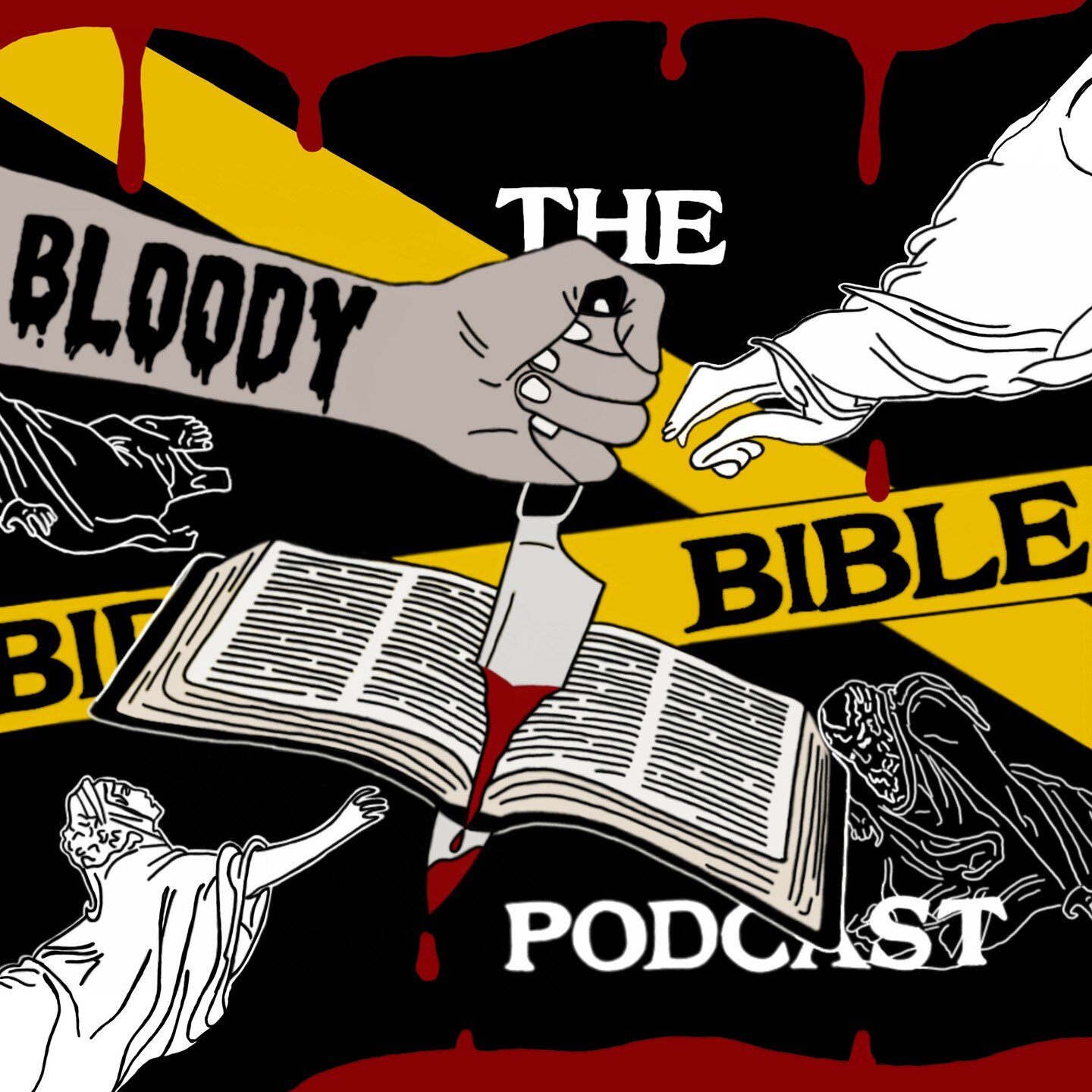
https://www.bloodybiblepodcast.com/
The Bloody Bible podcast takes a deep dive into the many stories of crime and violence that appear in the Bible.
Podcast hosts Caz and Em draw on contemporary true crime cases to investigate biblical violence and to explore why our fascination with crime is as old as the Bible itself.
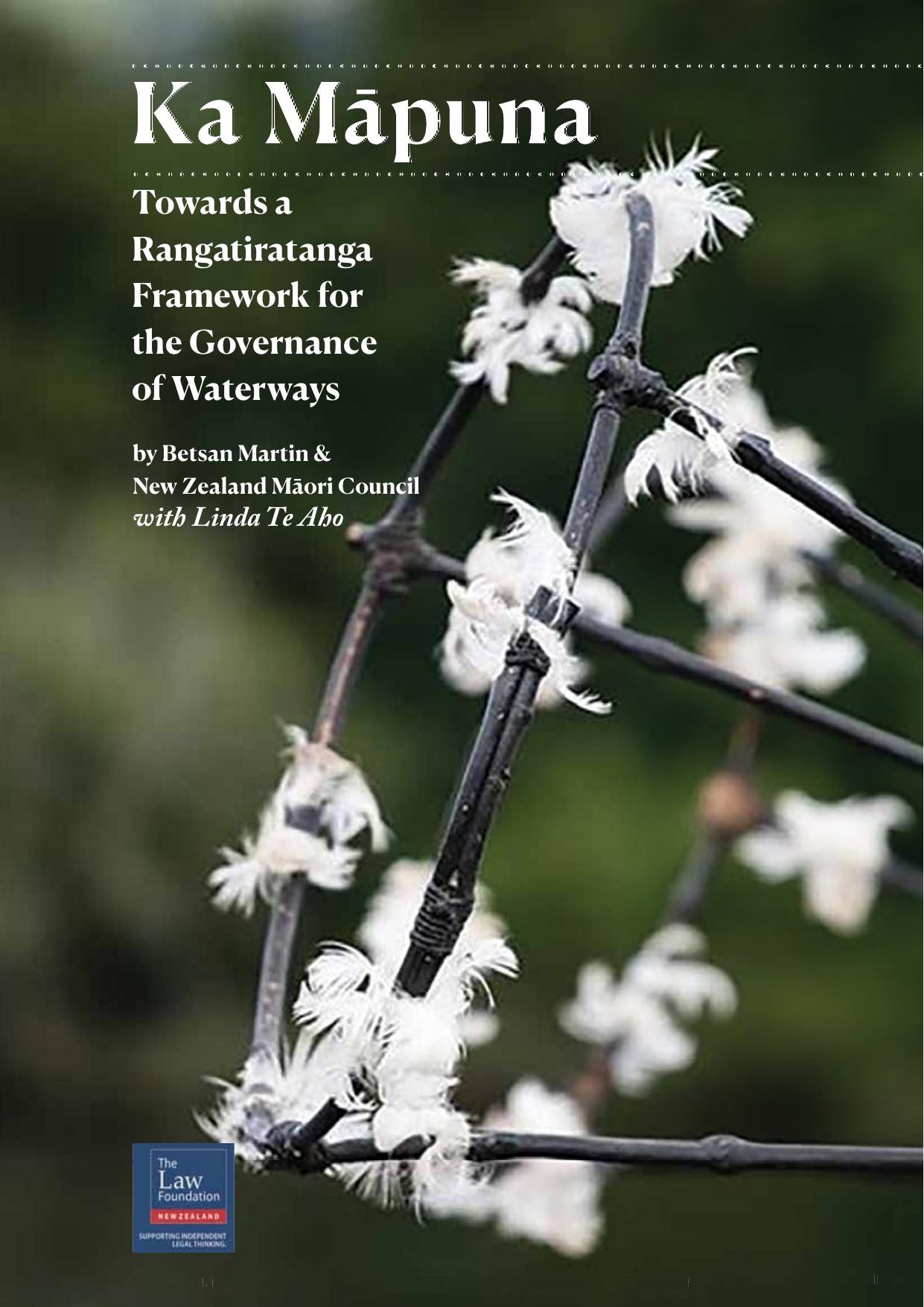
Rangatiratanga is the navigational course for this research, the aspiration that guides a framework for the governance which, in respect of waterways and Te Taiao secures mauri, ecosystem health, and water for domestic and commercial use. Rangatiratanga encompasses mana whakahaere decision-making throughout all relevant governance systems. In respect of resource governance, this needs to be achieved through mana whenua authorities and co-governance institutions and procedures.